Speech Sound Disorders





SPEECH SOUND DISORDERSWhat is a Speech Sound Disorder?
A speech sound disorder is when a child has trouble making certain sounds correctly or understanding how sounds work in words. This can happen for different reasons and can make it hard for others to understand what they’re saying. Speech sound disorders are often grouped into two main types:
Functional Speech Sound Disorders: These don’t have a known cause and aren’t linked to any other health problems. They include challenges like articulation issues (when sounds are tricky to pronounce) and phonological disorders (when sound patterns are tough to understand).
Organic Speech Sound Disorders: These have a known reason behind them, like a condition that affects muscles or the brain. For example, a child might develop dysarthria after an injury, which affects muscle strength for speaking, or apraxia, where the brain has trouble coordinating speech sounds.




SPEECH SOUND DISORDERS CAUSESWhat are the causes?
Speech sound disorders can happen for different reasons, but often there’s no specific cause. However, some things can make a child more likely to have a speech sound disorder, like:
- Family history: If a child has family members who had speech challenges, they might have a higher chance of developing one too.
- Hearing loss: When a child has trouble hearing, especially when learning to talk, they may also have trouble with certain speech sounds.
- Developmental conditions: Some conditions, such as autism or Down syndrome, can make it harder for children to learn clear speech.
- Brain injuries: Injuries that affect the brain, like a fall or accident, can sometimes make it difficult for children to control their speech muscles.
- Differences in the mouth or face: Physical differences, such as a cleft lip or palate, can affect how sounds are made.
Not all children with these risk factors will have a speech sound disorder; sometimes it just happens without any clear reason.

SPEECH SOUND DISORDERS TREATMENTHow Speak Easy Mobile Therapy treats it?
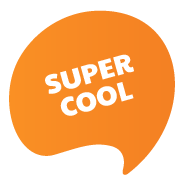
There are many ways to help children improve their speech sounds, and the type of treatment depends on what each child needs. Some common ways to help include:
- Articulation practice: In this activity, kids learn to say sounds clearly by practicing how to move their mouths, lips, and tongues for each sound.
- Sound pattern games: These games help children learn to use sounds in the right places. By practicing the patterns, kids can improve how they use sounds when they talk.
- Mouth muscle exercises: Sometimes, kids work on strengthening their lips, tongue, and jaw. This can make it easier to say sounds correctly.
- Using special tools or devices: For kids who have a hard time talking, using picture cards, communication boards, or voice apps can help them communicate.
- Help from family: Parents or caregivers often join in by practicing with the child at home, which can make learning faster and more fun.
Every child’s treatment is unique, and regular practice is key to helping them improve their speech sounds.
Schedule your Session now!


At Speak Easy Mobile Therapy, we bring therapy to you—whether in-person or through virtual teletherapy—offering convenient, flexible options to fit your needs.

Copyright© 2024 @ Speak Easy Mobile Therapy. All rights reserved. | Website Developed by Rhino Web Studios