Post Stroke




POST STROKEWhat is Post Stroke?
Post stroke, or post stroke condition, refers to the period and effects that follow a stroke in adults. A stroke occurs when blood flow to a part of the brain is interrupted, leading to brain cell damage or death. The post stroke phase often involves recovery and rehabilitation, where individuals experience various physical, cognitive, and emotional challenges as a result of the damage sustained during the stroke. Common effects include weakness or paralysis on one side of the body, speech and language difficulties (aphasia), memory loss, and mood changes. Post stroke care aims to help individuals regain as much function as possible and adjust to any long-term changes in abilities and lifestyle.




POST STROKE CAUSESWhat are the causes?
Stroke in adults is primarily caused by two types: ischemic stroke, which occurs when a blockage in the brain’s arteries is caused by blood clots or plaque, and hemorrhagic stroke, which happens when a blood vessel in the brain bursts, often due to high blood pressure or aneurysms. Other contributing risk factors include high cholesterol, diabetes, heart disease, smoking, obesity, a family history of stroke, and age.


POST STROKE TREATMENTHow Speak Easy Mobile Therapy treats it?
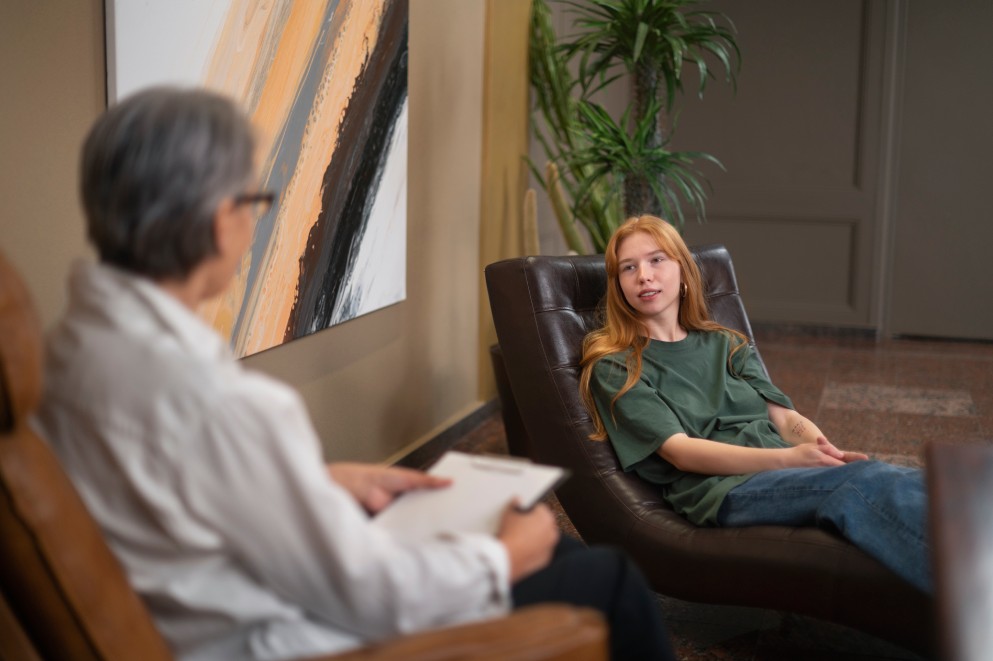
Speech language therapy for post stroke patients focuses on improving communication and swallowing abilities. It involves exercises to restore speech clarity, language comprehension, and the ability to form words or sentences. Therapists use techniques like articulation practice, word retrieval exercises, and language comprehension tasks. For swallowing difficulties, therapy may include exercises to strengthen muscles and improve coordination for safe eating and drinking. The therapy is tailored to the individual’s specific challenges, with goals aimed at enhancing functional communication and quality of life.
Schedule your Session now!

At Speak Easy Mobile Therapy, we bring therapy to you—whether in-person or through virtual teletherapy—offering convenient, flexible options to fit your needs.

Copyright© 2024 @ Speak Easy Mobile Therapy. All rights reserved. | Website Developed by Rhino Web Studios