Social Skills




SOCIAL SKILLSWhat is Social Skills?
Social skills in adults refer to the ability to communicate and interact effectively with others in various social settings. These skills include verbal and nonverbal communication, active listening, empathy, emotional regulation, conflict resolution, and the ability to interpret social cues accurately. Social skills help adults build and maintain healthy relationships, collaborate in teams, express themselves clearly, and navigate complex social situations confidently. These skills are essential for personal, professional, and community success, as they promote understanding, trust, and effective communication.




SOCIAL SKILLS CAUSESWhat are the causes?
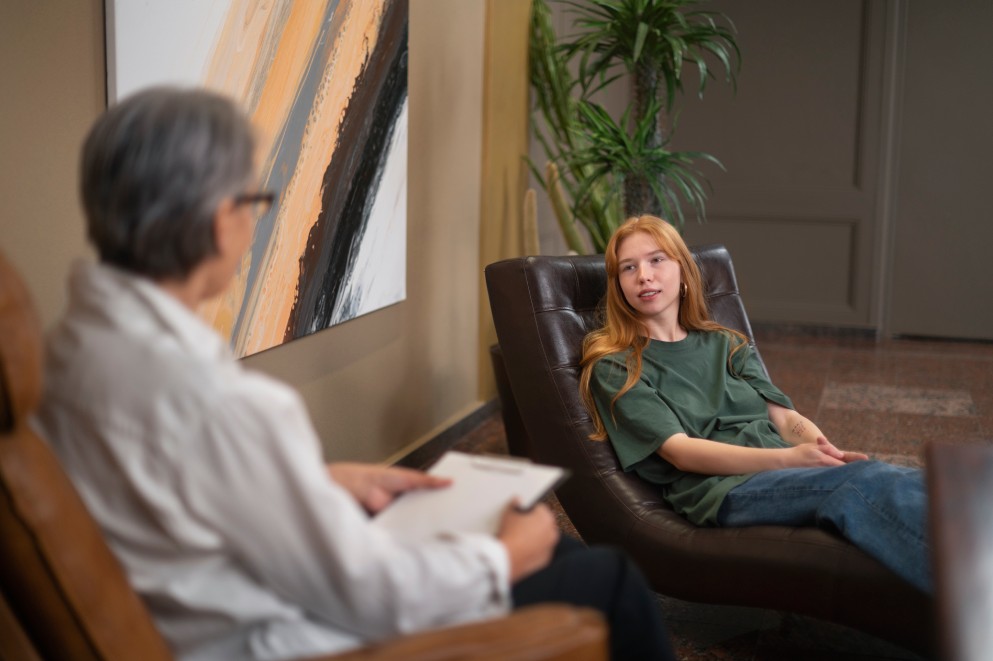
Difficulties in social skills in adults can stem from various causes, including:
- Mental Health Conditions: Disorders like social anxiety, depression, and certain personality disorders can impact self-confidence, emotional regulation, and social interactions.
- Neurodevelopmental Disorders: Conditions such as autism spectrum disorder (ASD) and ADHD often affect social awareness, nonverbal communication, and interpretation of social cues.
- Traumatic Experiences: Past trauma, particularly in relationships or social contexts, can lead to trust issues, withdrawal, or fear of judgment, making social interactions challenging.
- Lack of Practice: Adults who have had limited opportunities to develop social skills, possibly due to isolation or a solitary profession, may struggle to connect with others.
- Substance Abuse: Long-term substance abuse can impact cognitive and emotional processes, making social interaction more difficult.
- Physical or Cognitive Impairments: Conditions affecting speech, hearing, or cognitive functioning, such as brain injuries or dementia, can also hinder social interactions.
Each of these factors can impact a person’s ability to interpret, respond to, or initiate social exchanges, leading to challenges in social environments.



SOCIAL SKILLS TREATMENTHow Speak Easy Mobile Therapy treats it?
Speech language therapy can help adults improve social skills by focusing on several key areas:
- Nonverbal Communication: Speech therapists can work on interpreting and using nonverbal cues like body language, facial expressions, and eye contact, which are critical for successful social interactions.
- Conversation Skills: Therapy often involves practicing conversational turn-taking, active listening, and responding appropriately, which helps build confidence and improve rapport in social settings.
- Social Cognition: Some adults benefit from training to recognize and understand the emotions, thoughts, and perspectives of others. This can enhance empathy and awareness, making interactions more comfortable and effective.
- Pragmatic Language: Speech therapy addresses the practical use of language, teaching individuals how to adjust their language based on context, such as being more formal in professional settings or using humor with friends.
- Role-Playing and Real-Life Scenarios: Many therapists use role-playing exercises or real-life scenarios to simulate social situations, allowing individuals to practice skills in a safe environment and receive constructive feedback.
- Anxiety and Emotional Regulation: For those who experience social anxiety, therapists may incorporate techniques to manage anxiety, build confidence, and reduce stress in social interactions.
By targeting these skills, speech therapy can help individuals improve their confidence and effectiveness in social situations, leading to more positive and fulfilling interactions.
Schedule your Session now!


At Speak Easy Mobile Therapy, we bring therapy to you—whether in-person or through virtual teletherapy—offering convenient, flexible options to fit your needs.

Copyright© 2024 @ Speak Easy Mobile Therapy. All rights reserved. | Website Developed by Rhino Web Studios